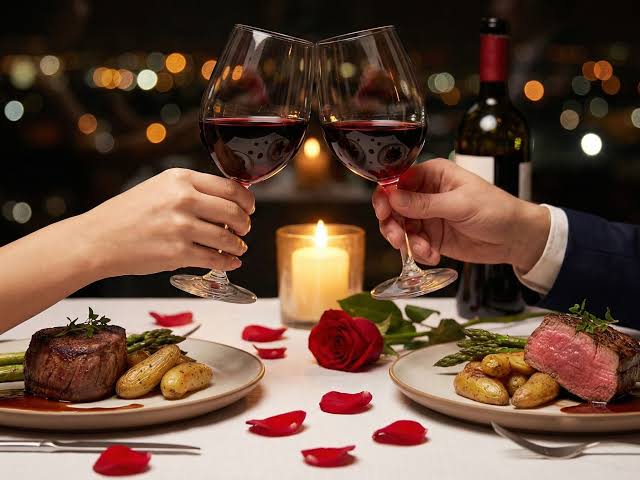
A special night asks for more care than a quick reservation and a glance at the menu. The right steakhouse creates ease before anyone orders. Guests notice timing, warmth, table comfort, cooking accuracy, and drinks that match the mood. These details shape appetite, conversation, and memory. A considered choice lets the group settle in, enjoy each course, and feel that the evening has been handled with real care.
Start With the Occasion
Every occasion carries its own rhythm. An anniversary may call for a quiet table, while a birthday dinner can be held in a brighter room. Business meals often call for reliable pacing and clear service. The venue should support the purpose without feeling formal for its own sake. A good match helps guests focus on the people present, not the setting.
Check the Local Fit
Travel can affect the meal before the first plate lands. Parking, transport, walking distance, and nearby after-dinner options all influence comfort. Choosing a steak restaurant in Perth that guests can reach without rushing helps protect the evening’s pace. A convenient location also leaves space for conversation, dessert elsewhere, or a calm walk after dinner.
Read the Menu Closely
A strong steakhouse menu reads with confidence. Cut names, weights, sauces, sides, and cooking choices should be easy to compare. Too many dishes can suggest divided attention. A focused list usually points to steadier purchasing and kitchen discipline. Starters, seafood, salads, and meat-free options also matter, especially when a table includes different appetites.
Look for Cut Quality
Great steak starts with the animal, the butcher, and the ageing process. Rib-eye brings fat and depth. Eye fillet offers tenderness with a cleaner bite. Sirloin gives structure, chew, and beef flavour. T-bone suits diners who want contrast on one plate. Clear descriptions help guests choose by texture, richness, and portion size.
Ask About Cooking Skill
Steak cookery depends on heat control, seasoning, and rest time. Medium-rare should have a warm red centre. Medium needs pinkness without dryness. Well-done still deserves moisture and care. Staff should explain which cuts suit each preference. A kitchen that respects timing usually delivers better texture, clearer flavour, and fewer disappointments.
Consider the Grill Style
The grill leaves a clear signature. Charcoal or an open flame can add smoke, crust, and savoury depth. Heavy heat, if handled poorly, brings bitterness instead. Good cooks know when to turn, rest, and season. Sauce should never hide scorched edges or dry fibres. The best plates let beef, salt, fire, and timing speak together.
Review the Sides
Sides should bring balance, not distraction. Crisp potatoes, mushrooms, onions, greens, or a sharp salad can soften the richness of beef. Sauces work best when measured. Pepper, garlic, mushrooms, and red wine styles each suit different cuts. Shared dishes also make the table feel generous, especially during celebrations with family, friends, or colleagues.
Check the Wine List
A useful wine list offers a range without confusion. Full-bodied reds can suit richer cuts, while lighter reds may pair better with leaner meat. Sparkling wine can lift salty starters or fried sides. Flexible by-the-glass options help guests avoid over-ordering. Staff should guide choices with practical notes on body, acidity, tannin, and sweetness.
Notice the Service
Service carries the emotional weight of the night. A warm greeting, accurate order-taking, and steady pacing build trust quickly. Staff should know the cuts, sauces, allergens, and cooking times. Good servers read the table. They appear when needed, then give guests room. That balance helps the evening feel cared for rather than managed.
Judge the Atmosphere
Atmosphere affects conversation, appetite, and comfort. Lighting should flatter the table without making the menu hard to read. Music needs energy, yet speech should remain easy. Seating matters during longer meals. Tables placed too close together can make private moments feel exposed. A polished room still needs warmth, comfort, and enough space to breathe.
Look at Booking Details
Booking details reveal operational discipline. Clear hours, direct contact, online reservations, and confirmation steps reduce uncertainty. Guests should mention celebrations, dietary needs, mobility access, prams, or larger groups early. A venue that handles these notes carefully is more likely to manage timing well. Good preparation often shows before guests reach the host stand.
Balance Price and Value
Price alone says little about an eatery. Value comes from cut quality, cooking precision, portion size, service, comfort, and setting. Premium beef can cost more because sourcing, storage, and skill matter. Still, the bill should feel fair. Clear pricing and consistent execution help guests relax. A special dinner should leave diners satisfied, not regretting surprises.
Conclusion
Choosing a steakhouse for a special night means assessing the whole experience, not just the main course. Quality cuts, controlled cooking, thoughtful sides, helpful drink guidance, steady service, and a comfortable room all play a part. Guests should feel at ease from booking to the final plate. With a careful eye for these signs, dinner becomes more than a reservation. It becomes a well-judged occasion.